
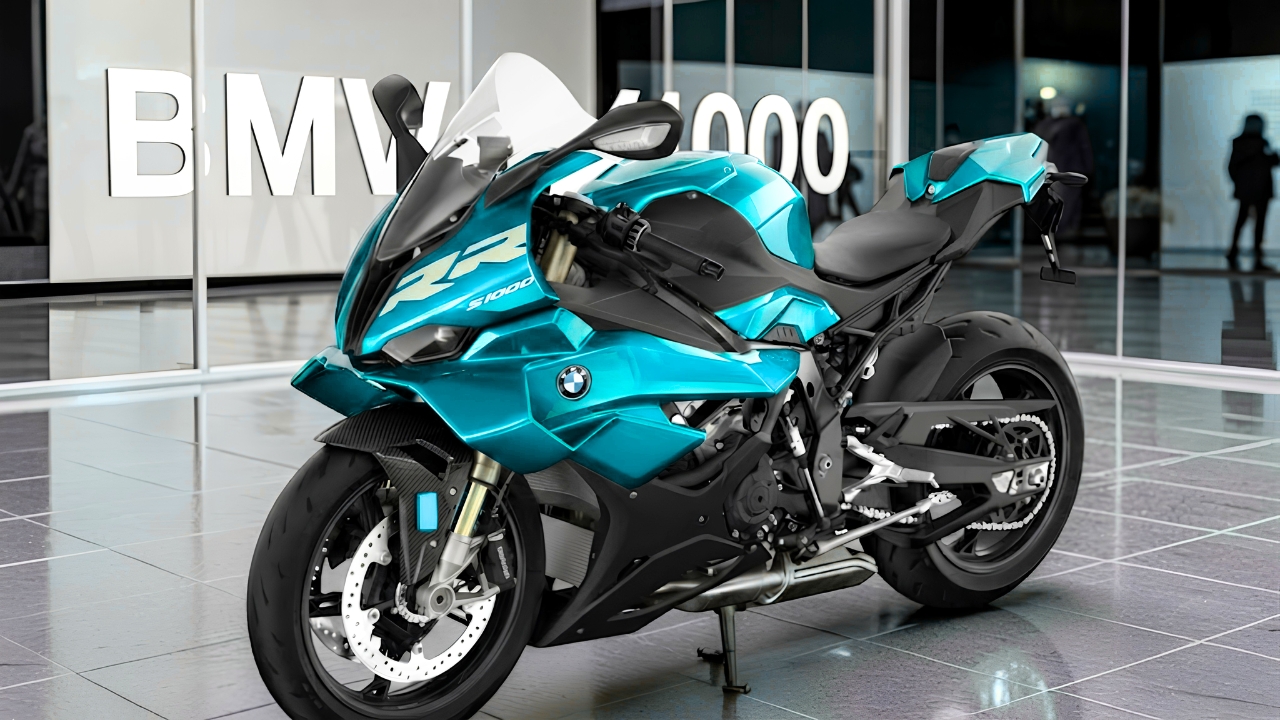
BMW S1000RR: The BMW S1000RR has long been regarded as one of the most iconic superbikes in the world. Since its debut, it has consistently raised the bar for performance, technology, and design in the liter-class segment. The 2026 model continues this tradition, offering blistering speed, cutting-edge electronics, and refined engineering that make it a dream machine for enthusiasts and professional riders alike. This guide explores everything you need to know about the BMW S1000RR, from its features and performance to buying tips and ownership experience.
Design and Styling
The S1000RR’s design is aggressive yet elegant, with sharp lines and aerodynamic bodywork that emphasize speed and precision. The asymmetrical headlights that once defined earlier models have now evolved into sleek LED units, giving the bike a modern and balanced look. The fairing is sculpted to reduce drag, while the tail section is minimalist, highlighting its racing DNA. Every detail, from the winglets to the exhaust system, is engineered to enhance both aesthetics and performance.
Engine and Performance
At the core of the BMW S1000RR lies a 999cc inline-four engine, producing around 210 horsepower and 113 Nm of torque in the 2026 version. This powerhouse delivers relentless acceleration, capable of propelling the bike from 0–100 km/h in under 3 seconds. BMW’s ShiftCam technology optimizes valve timing for improved torque at low revs and maximum power at high revs, ensuring versatility across different riding conditions. The engine is paired with a six-speed gearbox and a quickshifter, allowing seamless upshifts and downshifts without clutch use.
Top Speed
The BMW S1000RR is built for speed, and the 2026 model boasts a top speed of approximately 303 km/h. This makes it one of the fastest production motorcycles available, rivaling other superbikes in its class. The aerodynamic design and advanced electronics ensure stability even at extreme speeds, making it suitable for both track and high-performance road riding.
Electronics and Riding Modes
BMW equips the S1000RR with a comprehensive suite of electronics. Riders can choose from multiple riding modes, including Rain, Road, Dynamic, and Race Pro, each adjusting throttle response, traction control, ABS, and suspension settings. Dynamic Traction Control, Launch Control, and Wheelie Control provide confidence and safety while pushing the bike to its limits. The 6.5-inch TFT display offers crisp visuals and easy navigation through settings, while connectivity features allow smartphone integration for navigation and ride data.
Chassis and Handling
The S1000RR’s chassis is designed for precision and agility. A lightweight aluminum frame, combined with fully adjustable suspension, ensures stability and responsiveness. The bike’s geometry is optimized for cornering performance, making it a favorite among track riders. Brembo brakes provide exceptional stopping power, while the Dynamic Damping Control system automatically adjusts suspension settings based on riding conditions. Despite its racing pedigree, the S1000RR remains surprisingly manageable on city roads, thanks to its refined ergonomics.

Mileage and Fuel Economy
Superbikes are not known for fuel efficiency, but the BMW S1000RR offers respectable mileage for its class. Riders can expect around 15–17 km/l under mixed riding conditions. On highways, with steady cruising, mileage can improve slightly, but spirited riding on tracks will naturally reduce efficiency. For most owners, fuel economy is secondary to performance, and the S1000RR delivers where it matters most.
Comfort and Practicality
While primarily designed for performance, the S1000RR does not completely sacrifice comfort. The riding position is aggressive but manageable, with adjustable seat height and clip-on handlebars that allow customization. For longer rides, the ergonomics may feel demanding, but BMW offers optional accessories such as comfort seats and touring packages to enhance practicality. The bike also includes features like cruise control and heated grips, making it more versatile than many of its rivals.
Price and Value
The 2026 BMW S1000RR is priced around £20,000 internationally, which translates to approximately ₹22–24 lakh in India depending on taxes and duties. Considering its performance, technology, and brand prestige, the S1000RR offers excellent value for riders seeking a superbike that excels on both track and road. Maintenance costs are higher compared to mid-range motorcycles, but BMW’s reliability and service network provide peace of mind.
Buying Tips
- Evaluate your riding needs: The S1000RR is best suited for riders who plan to use it on tracks or for high-performance road riding.
- Consider accessories: Touring packages, comfort seats, and luggage options can make the bike more versatile.
- Check insurance costs: Superbikes often come with higher premiums, so factor this into your budget.
- Test ride before buying: Ensure the ergonomics and performance match your expectations.
- Plan for maintenance: Regular servicing and premium parts are essential for keeping the bike in peak condition.
Key Highlights
- Aggressive aerodynamic design with modern LED lighting
- 999cc inline-four engine producing 210 hp and 113 Nm torque
- Top speed of 303 km/h
- Advanced electronics with multiple riding modes and TFT display
- Dynamic Traction Control, Launch Control, and Wheelie Control
- Lightweight aluminum frame with Brembo brakes and adjustable suspension
- Mileage of 15–17 km/l under mixed conditions
- Price: ~£20,000 internationally (~₹22–24 lakh in India)
Final Words
The 2026 BMW S1000RR is a superbike that embodies speed, precision, and innovation. It delivers breathtaking performance while offering advanced electronics and refined engineering that make it accessible to experienced riders. Whether you are chasing lap times on the track or enjoying spirited rides on open roads, the S1000RR stands as one of the most complete superbikes available today. For those who demand the very best in performance and technology, the BMW S1000RR is not just a motorcycle—it is an experience.